Overview and Introduction
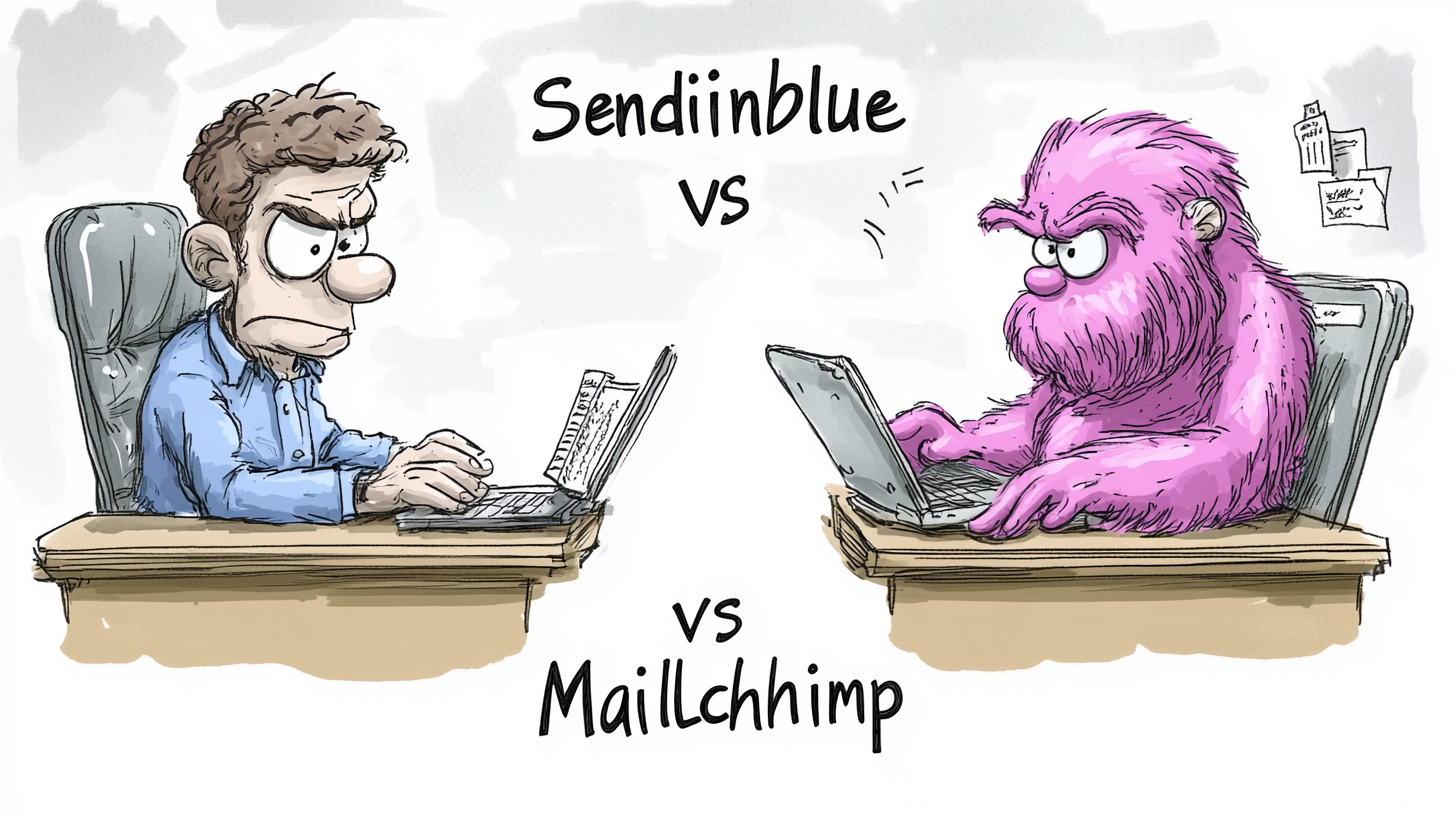
Sendinblue vs Mailchimp: When it comes to email marketing, choosing the right platform is crucial for the success of your campaigns. In this detailed comparison, we’ll break down the key features, pricing, and performance of these two popular email marketing tools. Whether you’re a small business owner, a marketer, or a freelancer, understanding the differences between Sendinblue and Mailchimp can help you decide which platform best fits your needs. Read on to discover how they stack up against each other in terms of pricing, ease of use, automation features, and more.
Table of Contents
Pricing Structure
When comparing Sendinblue vs Mailchimp, pricing is often a key factor for businesses deciding which tool fits their budget. Both platforms offer free tiers, but there are significant differences in their pricing models, which can make one more attractive depending on your specific needs.
Sendinblue Pricing
Sendinblue’s pricing is based on the number of emails you send, not the number of subscribers you have. This can be advantageous for businesses with large lists but lower sending frequency. Sendinblue offers a free plan that allows you to send up to 300 emails per day to unlimited contacts. Their paid plans start at $25 per month for up to 20,000 emails, with additional pricing tiers depending on your email volume.
Sendinblue’s pricing is flexible and scalable, making it an ideal option for growing businesses that want to control costs as they increase their email marketing efforts. The inclusion of SMS marketing in its plans is also a unique feature, which adds extra value for multi-channel marketers.

Mailchimp Pricing
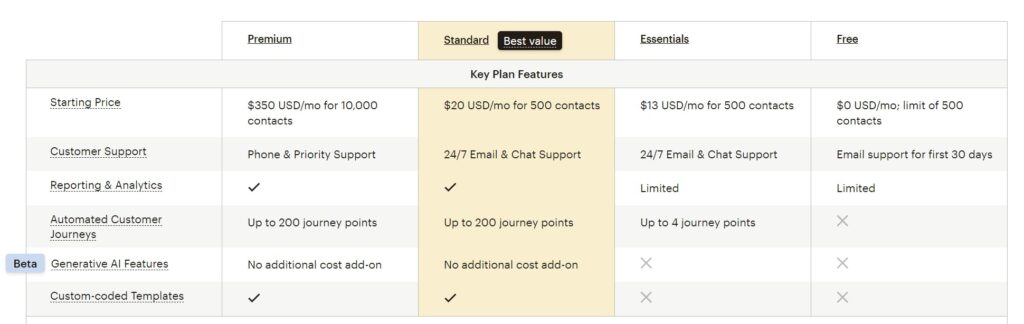
Mailchimp’s pricing, on the other hand, is based on the number of subscribers rather than the number of emails sent. The free plan allows you to have up to 500 contacts and send 1,000 emails per month, which is suitable for smaller businesses or individuals just starting out. Paid plans start at $13 per month for 500 contacts, and prices increase as your contact list grows.
Mailchimp also offers multiple tiers, including Essentials, Standard, and Premium, each with additional features like A/B testing, advanced segmentation, and comparative reporting. However, for businesses with large subscriber lists, Mailchimp can become quite expensive over time.
Which Platform Offers Better Value?
When comparing Sendinblue vs Mailchimp in terms of pricing structure, it’s clear that Sendinblue is more cost-effective for businesses that need to send a high volume of emails but have a large contact list. Mailchimp, on the other hand, can be a better fit for businesses with smaller subscriber lists that want access to advanced features and more comprehensive reporting tools.
Ease of Use and Interface
One of the most important factors when choosing between Sendinblue vs Mailchimp is how easy each platform is to use. Whether you are a beginner or an experienced marketer, the user interface and overall ease of use can significantly impact your productivity and efficiency.
Sendinblue Interface
Sendinblue offers a clean, intuitive interface that is easy to navigate, even for beginners. The dashboard is well-organized, with quick access to essential tools like email campaigns, automation workflows, and contact management. It has a drag-and-drop email editor that simplifies the process of creating and customizing emails, making it accessible to users without technical expertise.
One of Sendinblue’s standout features is its clear workflow for setting up automation. Even complex automation sequences can be created with just a few clicks, thanks to its user-friendly design. However, some users may find that the customization options for templates and forms are a bit limited compared to Mailchimp.
Mailchimp Interface
Mailchimp is known for its user-friendly design and visually appealing interface. The platform has a drag-and-drop email builder, making it easy for users to create custom email templates without any coding skills. Additionally, Mailchimp’s onboarding process includes helpful prompts and tutorials to guide new users through setup and the creation of their first campaigns.
While Mailchimp’s interface is sleek, it can become more complex as you start using advanced features like segmentation, reporting, and automation. Some users find the amount of features overwhelming at first, but once familiar with the platform, it offers a lot of flexibility in campaign management.
Which Platform is Easier to Use?
In the comparison of Sendinblue vs Mailchimp, both platforms offer easy-to-use interfaces, but Sendinblue might be the better choice for those looking for simplicity and straightforward workflows. Mailchimp, while visually polished, may have a steeper learning curve due to its wider range of features. If you are looking for a platform that balances ease of use with powerful functionality, Mailchimp could be a better option once you get accustomed to its features.
Email Templates and Design Options
When comparing Sendinblue vs Mailchimp, one of the key considerations is the availability and flexibility of email templates and design options. A wide range of design choices can help users create visually appealing and engaging emails with minimal effort.
Sendinblue Email Templates
Sendinblue offers a selection of email templates that can be customized using its drag-and-drop editor. While the number of templates is not as extensive as some other platforms, the available designs are clean and professional. The editor itself is user-friendly, allowing you to easily modify text, images, and layout without needing coding skills.
Sendinblue also supports mobile-responsive templates, ensuring that your emails look good on both desktop and mobile devices. However, the customization options for the templates are somewhat limited in comparison to Mailchimp, which could be a downside for those looking for more creative flexibility.
Mailchimp Email Templates
Mailchimp is well-known for its wide variety of pre-designed email templates. These templates cater to a range of industries and purposes, making it easier for users to find one that fits their needs. Mailchimp’s drag-and-drop editor provides a high level of customization, allowing you to change layouts, add or remove sections, and even insert custom HTML if needed.
Another advantage of Mailchimp is the ability to create “Saved Templates” that you can reuse for future campaigns, which is especially useful for maintaining brand consistency. Like Sendinblue, Mailchimp’s templates are mobile-responsive, ensuring a seamless experience across devices.
Which Platform Offers Better Design Flexibility?
When it comes to email templates and design options, Sendinblue vs Mailchimp shows clear differences. Mailchimp offers a broader selection of templates and more flexibility for customization, making it a better choice for users who want more creative control over their email designs. Sendinblue, while simpler and easier to use, may be more limiting for those who want to create highly customized emails.
Automation Features
Automation is a crucial aspect of email marketing, allowing businesses to engage with their audience at the right time with minimal effort. When comparing Sendinblue vs Mailchimp, it’s important to look at the depth and ease of use of their automation features, as this can be a game-changer for any email marketing strategy.
Sendinblue Automation Features
Sendinblue offers powerful and easy-to-use automation tools. Its automation builder is highly visual and user-friendly, making it accessible for users of all experience levels. You can create complex workflows with just a few clicks, setting up triggers based on customer behavior, such as email opens, clicks, or website activity.
Sendinblue supports a variety of automation scenarios, including welcome emails, abandoned cart emails, transactional emails, and more. What sets Sendinblue apart is its multi-channel automation, which allows you to combine email with SMS and chat marketing in a single workflow, providing a more comprehensive approach to automation.
Mailchimp Automation Features
Mailchimp also offers robust automation features, though it tends to focus more on email-specific workflows. With Mailchimp, you can easily set up a range of automated campaigns, such as welcome emails, product recommendations, and cart recovery emails. Their automation editor is easy to navigate, though it can feel a bit limited compared to Sendinblue when it comes to advanced multi-channel campaigns.
One of Mailchimp’s strengths is its pre-built automation templates, which make it easy to get started with automation without having to build workflows from scratch. However, while Mailchimp supports advanced email automations, it lacks the depth of Sendinblue’s multi-channel capabilities, particularly when it comes to SMS marketing.
Which Platform Excels in Automation?
In the comparison of Sendinblue vs Mailchimp for automation features, Sendinblue offers more flexibility, especially for businesses looking to integrate multiple channels into their workflows. Mailchimp, while user-friendly and robust for email-specific automation, does not provide the same level of multi-channel support as Sendinblue. If you are focused on email-only campaigns, Mailchimp is a solid choice, but if you want to expand into SMS and other channels, Sendinblue is the better option.

Segmentation and Personalization
Effective email marketing often hinges on how well you can segment your audience and personalize your messages. In the Sendinblue vs Mailchimp comparison, both platforms offer tools for segmentation and personalization, but they differ in terms of flexibility and ease of use.
Sendinblue Segmentation and Personalization
Sendinblue offers advanced segmentation options that allow you to filter your audience based on a wide range of criteria, such as demographic information, purchase history, engagement level, and more. You can easily create dynamic segments that update in real time based on user behavior, ensuring your messages are always relevant.
In terms of personalization, Sendinblue allows you to create highly customized emails by using contact attributes to insert personalized content into your campaigns. You can include personalized subject lines, greeting lines, and even tailor entire sections of your emails based on specific customer data. This level of personalization helps businesses create more targeted and engaging campaigns.
Mailchimp Segmentation and Personalization
Mailchimp also offers a powerful set of segmentation tools. With Mailchimp, you can segment your audience based on behavior, purchase activity, engagement, and other data points. Their segmentation options are highly flexible, allowing you to create detailed audience subsets for specific campaigns. Mailchimp also supports “tags,” which help further refine audience segments based on actions or preferences.
Mailchimp’s personalization features are extensive, allowing users to insert dynamic content into their emails. You can personalize not only the text but also the content blocks, such as images or product recommendations, based on customer data. However, some of the more advanced personalization features are only available on higher-tier plans, which could be a limitation for smaller businesses.
Which Platform Excels in Segmentation and Personalization?
When comparing Sendinblue vs Mailchimp for segmentation and personalization, both platforms offer strong capabilities. However, Sendinblue’s real-time dynamic segmentation and multi-channel personalization options make it a slightly more powerful tool for businesses looking for detailed targeting and personalization across different channels. Mailchimp offers a solid range of options as well, but some advanced features may require a higher subscription plan.
Deliverability Rates
When choosing an email marketing platform, deliverability rates are critical to ensuring that your emails actually reach your subscribers’ inboxes. In the comparison of Sendinblue vs Mailchimp, both platforms focus heavily on optimizing deliverability, but there are some differences in how they approach this important factor.

Sendinblue Deliverability Rates
Sendinblue places a strong emphasis on email deliverability and offers tools to help users optimize their campaigns. With features like dedicated IP addresses for higher-tier users and built-in deliverability testing, Sendinblue ensures that emails have the best chance of reaching their destination. Their platform also closely monitors sender reputation and offers advice on improving deliverability, including avoiding spam traps and cleaning up email lists.
Sendinblue’s deliverability rates are known to be high, with a focus on maintaining compliance with email regulations such as GDPR and CAN-SPAM. Additionally, their robust SMTP infrastructure ensures that emails are sent efficiently and effectively, improving the chances of avoiding spam filters.
Mailchimp Deliverability Rates
Mailchimp also offers strong deliverability rates and takes measures to help users optimize their email campaigns. Mailchimp’s platform uses built-in compliance tools, such as automatic suppression of hard bounces and unsubscribes, which helps maintain a clean sending list. Like Sendinblue, Mailchimp offers tools for monitoring deliverability and reputation to ensure that emails land in inboxes and not in spam folders.
Mailchimp’s deliverability is bolstered by its extensive experience in the industry and adherence to best practices for email marketing. However, some users have reported that deliverability can vary based on the type of email and campaign, especially for highly promotional content.
Which Platform Has Better Deliverability?
When comparing Sendinblue vs Mailchimp on deliverability rates, both platforms perform well, but Sendinblue is often noted for having slightly higher deliverability due to its focus on compliance and its strong SMTP infrastructure. Mailchimp is also highly reliable, but certain campaigns may face challenges depending on the content and audience segmentation. Overall, both platforms offer solid deliverability, but Sendinblue may have a slight edge for users prioritizing inbox placement.
Customer Support and Resources
Reliable customer support and access to resources are essential when using any email marketing platform. In the comparison of Sendinblue vs Mailchimp, both platforms offer support and resources, but there are differences in how they deliver assistance and guidance to their users.
Sendinblue Customer Support
Sendinblue provides multiple support options, including email support, live chat, and phone support for higher-tier plans. One of the benefits of Sendinblue’s support system is the ability to access live chat support, even on lower-tier plans, which is not always available with competitors. This can be incredibly helpful for users who need real-time assistance while navigating the platform.
In addition to direct support, Sendinblue offers a comprehensive help center with guides, tutorials, and FAQs. They also provide webinars and a blog with in-depth articles to help users get the most out of the platform. For businesses using advanced features like automation or transactional emails, these resources can be particularly valuable.
Mailchimp Customer Support
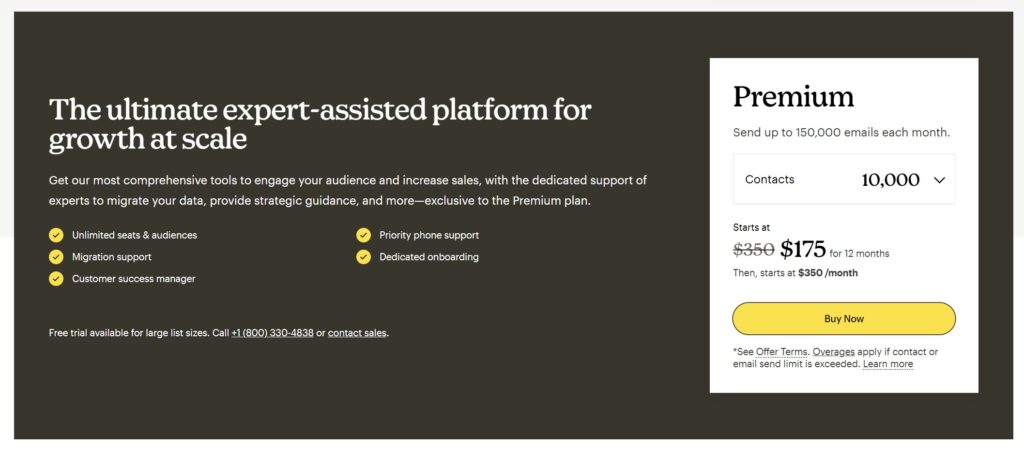
Mailchimp’s customer support structure varies depending on the plan you are on. Users on the free plan have access to email support for the first 30 days, while higher-tier plans offer 24/7 email and live chat support. For Premium users, Mailchimp also provides phone support. The more you pay, the more extensive the support options become, which can be a downside for smaller businesses or those on lower-tier plans.
Mailchimp also offers an extensive knowledge base, with detailed guides, video tutorials, and a blog covering a wide range of topics. They provide educational resources through Mailchimp Academy, which offers courses and certifications, helping users develop their skills in email marketing and beyond.
Which Platform Offers Better Customer Support?
In the Sendinblue vs Mailchimp comparison for customer support, Sendinblue has the edge when it comes to accessibility on lower-tier plans, with live chat available even to basic users. Mailchimp offers robust support but reserves more direct assistance for higher-paying customers. Both platforms provide excellent educational resources, but Sendinblue’s more accessible support makes it the better choice for businesses seeking hands-on help without upgrading to a premium plan.
Integration with Third-Party Apps
Integrating your email marketing platform with other tools and services is crucial for streamlining workflows and maximizing the impact of your marketing efforts. When comparing Sendinblue vs Mailchimp, both platforms offer a wide range of integrations, but there are differences in their capabilities and ease of use.

Sendinblue Integrations
Sendinblue integrates with a variety of third-party apps, covering areas like eCommerce, CRM, and website building. Some of the most popular integrations include Shopify, WooCommerce, Salesforce, and WordPress. Sendinblue also provides APIs and webhooks, allowing developers to create custom integrations based on specific business needs.
One of Sendinblue’s key strengths is its multi-channel marketing approach, which allows you to combine email, SMS, and chat marketing within a single workflow. This can be particularly useful for businesses looking to manage all their customer communication in one place, rather than juggling multiple platforms. Although Sendinblue offers a good range of integrations, it may not support as many apps as Mailchimp.
Mailchimp Integrations
Mailchimp is well-known for its vast number of integrations, making it one of the most versatile platforms in this regard. It connects seamlessly with over 250 apps, including popular tools like Shopify, Magento, WordPress, Zapier, Salesforce, and QuickBooks. This extensive list of integrations makes it easy for businesses of all types to connect their email marketing with other tools, streamlining data flow and automating tasks.
Mailchimp’s native integrations are easy to set up, and it also supports advanced automation through platforms like Zapier, which allows for connections with thousands of additional apps. This makes Mailchimp an excellent choice for businesses that rely heavily on third-party tools or have complex workflows requiring multiple integrations.
Which Platform Offers Better Integrations?
In the comparison of Sendinblue vs Mailchimp for third-party integrations, Mailchimp has a clear advantage due to its extensive range of supported apps. If your business relies on multiple tools and needs seamless connections across platforms, Mailchimp’s broader selection of integrations will likely meet your needs. However, for businesses focused on multi-channel marketing with email, SMS, and chat, Sendinblue’s integrations offer a more unified approach.
Advanced Analytics and Reporting
Analytics and reporting are critical features for evaluating the success of email marketing campaigns. In the comparison of Sendinblue vs Mailchimp, both platforms offer detailed insights into email performance, but there are differences in the level of depth and ease of use for reporting features.
Sendinblue Analytics and Reporting
Sendinblue provides a solid set of reporting tools that offer insights into key metrics such as open rates, click-through rates, bounce rates, and unsubscribe rates. For businesses looking for deeper insights, Sendinblue allows users to track engagement metrics and visualize customer behavior over time. You can also use heatmaps to see where recipients are clicking within your emails, helping to optimize future campaigns.
In addition, Sendinblue offers advanced reporting for A/B testing and automated workflows. These reports help marketers fine-tune their campaigns by understanding what resonates with their audience. While Sendinblue’s reporting features are robust, its advanced analytics may require some configuration, especially for users seeking custom reports or specific insights.
Mailchimp Analytics and Reporting
Mailchimp is known for its comprehensive reporting and analytics suite. It provides detailed reports on open rates, click-through rates, bounce rates, and other key metrics, much like Sendinblue. However, Mailchimp goes a step further with comparative reporting, which allows users to compare the performance of different campaigns over time, offering a big-picture view of overall email marketing effectiveness.
Mailchimp’s reporting is highly user-friendly and includes advanced insights such as conversion tracking, social performance reports, and subscriber activity data. With the higher-tier plans, users also gain access to predictive analytics, which uses machine learning to forecast future campaign performance based on historical data. This makes Mailchimp a strong choice for businesses that require deep analytics and predictive tools.
Which Platform Offers Better Analytics?
When comparing Sendinblue vs Mailchimp in terms of advanced analytics and reporting, Mailchimp tends to have the edge, particularly for users who need more detailed insights and predictive analytics. Mailchimp’s comparative reporting and advanced features like social performance tracking make it a powerful tool for businesses focused on optimizing long-term strategies. Sendinblue, while offering strong reporting capabilities, may be better suited for businesses looking for a simpler, straightforward analytics solution that focuses on core metrics and engagement tracking.
SMS Marketing Features
As businesses look for more ways to engage their audiences, SMS marketing has become an important channel alongside email. When comparing Sendinblue vs Mailchimp, their approaches to SMS marketing are quite different, making it a key point of distinction between the two platforms.
Sendinblue SMS Marketing Features
Sendinblue stands out as one of the few email marketing platforms that fully integrates SMS marketing as part of its core features. With Sendinblue, you can create and send SMS campaigns directly from the platform, allowing you to reach your audience through both email and SMS in a single workflow. This multi-channel marketing approach makes it easier to synchronize your messaging and engage customers across different platforms.
Sendinblue allows users to send transactional SMS messages, set up SMS automation workflows, and personalize SMS content based on customer data. Additionally, it offers detailed reports on SMS performance, giving you insights into delivery rates and engagement. The platform’s pricing for SMS is separate from email, so you only pay for what you use, making it a flexible option for businesses of all sizes.
Mailchimp SMS Marketing Features
Mailchimp does offer SMS marketing, but it is not as fully integrated or prominent as it is in Sendinblue. To access SMS marketing through Mailchimp, users need to rely on third-party integrations, such as Twilio, rather than having it built directly into the platform. This can add complexity to setting up SMS campaigns, as it requires additional tools and technical know-how.
While Mailchimp focuses primarily on email, its third-party integrations allow users to send SMS messages, but the process is less seamless compared to Sendinblue. This makes Mailchimp less ideal for businesses that want a fully integrated solution for managing both email and SMS campaigns in one place.
Which Platform Excels in SMS Marketing?
In the comparison of Sendinblue vs Mailchimp for SMS marketing features, Sendinblue is the clear winner. Its built-in SMS capabilities, combined with email and chat marketing, make it a more versatile platform for businesses looking to engage customers across multiple channels. Mailchimp, while capable of handling SMS via third-party integrations, falls short in providing a smooth, integrated experience for users who want to manage everything within one platform.
Marketing Channels Supported
When choosing an email marketing platform, it’s important to consider which other marketing channels it supports. Both Sendinblue vs Mailchimp offer multi-channel marketing capabilities, but they differ in the range of channels they support and how seamlessly they integrate these into their platforms.
Sendinblue Marketing Channels
Sendinblue is designed as a comprehensive marketing platform that goes beyond email. In addition to email marketing, Sendinblue supports SMS marketing, live chat, and even transactional emails. This multi-channel approach allows businesses to engage with their audience across various touchpoints, creating a more cohesive and personalized customer experience.
The platform makes it easy to combine different channels into a single workflow, such as sending an automated email followed by an SMS reminder or engaging website visitors through live chat. Sendinblue’s versatility in supporting multiple marketing channels in one place is a key strength, especially for businesses looking to streamline their communication efforts across different mediums.
Mailchimp Marketing Channels
Mailchimp also supports multi-channel marketing, with a primary focus on email. However, it extends its capabilities to additional channels like social media ads, postcards, and websites. Mailchimp users can create and manage social media ad campaigns directly from the platform, and they can even send physical postcards to their audience as part of an omnichannel marketing strategy.
While Mailchimp doesn’t have native SMS marketing like Sendinblue, it makes up for it with its social media marketing features, allowing users to run Facebook and Instagram ads alongside their email campaigns. This makes Mailchimp a good choice for businesses that want to integrate their email marketing with their social media advertising efforts.
Which Platform Offers Better Multi-Channel Marketing?
When comparing Sendinblue vs Mailchimp in terms of marketing channels supported, the choice depends on your business needs. Sendinblue excels in combining email with SMS, live chat, and transactional emails, making it ideal for businesses seeking a multi-channel approach with direct communication channels. Mailchimp, on the other hand, shines with its social media and postcard marketing options, which can complement digital campaigns. If SMS and live chat are key components of your strategy, Sendinblue is the stronger option, whereas Mailchimp is better for those focusing on social media and omnichannel campaigns.
Compliance with Data Protection Regulations
In today’s digital landscape, ensuring compliance with data protection regulations is essential for any business that collects and processes personal data. When comparing Sendinblue vs Mailchimp, both platforms prioritize data privacy and provide tools to help users comply with global regulations like GDPR and CAN-SPAM.
Sendinblue Compliance Features
Sendinblue is fully compliant with GDPR (General Data Protection Regulation), making it a strong choice for businesses operating within the European Union or handling EU citizens’ data. The platform offers tools to help users manage data in compliance with privacy laws, such as providing double opt-in forms to ensure explicit consent from subscribers and the ability to easily manage unsubscribe requests.
Additionally, Sendinblue provides features to help users create and manage consent requests, data retention policies, and offers a clear process for handling data subject access requests (DSARs). Their servers are based in Europe, which can be an advantage for businesses looking to keep their data within EU borders for compliance reasons.
Mailchimp Compliance Features
Mailchimp is also compliant with GDPR, CAN-SPAM, and other data protection regulations, offering a suite of tools to help businesses manage data privacy. The platform allows users to implement double opt-in for email sign-ups, easily manage consent and preferences, and ensure that unsubscribe requests are handled promptly to remain compliant with laws like the CAN-SPAM Act.
Mailchimp provides clear guidelines on how to stay compliant with data protection regulations and offers resources like pre-built forms and templates that align with GDPR requirements. While Mailchimp’s data centers are located in the U.S., the platform complies with international data transfer regulations such as Standard Contractual Clauses (SCCs) to ensure the legal transfer of data from the EU to the U.S.
Which Platform Offers Better Compliance Features?
When comparing Sendinblue vs Mailchimp on compliance with data protection regulations, both platforms offer strong features to ensure GDPR, CAN-SPAM, and other regulatory compliance. Sendinblue has the advantage for EU-based businesses, thanks to its European servers and strong emphasis on GDPR compliance. Mailchimp, while U.S.-based, provides a solid framework for compliance with international data privacy laws, making it suitable for businesses operating globally. The choice between the two depends on your specific geographical and legal needs, but both platforms offer robust compliance tools.
Audience and Use Cases
When choosing between Sendinblue vs Mailchimp, it’s essential to consider who each platform is best suited for and the specific use cases where they excel. Both platforms are designed to help businesses engage with their audiences through email and other marketing channels, but they cater to different types of users and industries.
Sendinblue Audience and Use Cases
Sendinblue is particularly well-suited for small to medium-sized businesses (SMBs) that need an affordable, scalable solution for multi-channel marketing. Its pricing model, which is based on the number of emails sent rather than the number of contacts, makes it an attractive option for businesses with large subscriber lists but lower sending frequency.
Sendinblue’s multi-channel capabilities, including SMS marketing and live chat, make it ideal for businesses that want to engage their audience across multiple platforms. It’s commonly used by eCommerce businesses, startups, and companies in the service industry that benefit from automating transactional emails and combining email with SMS notifications.

Mailchimp Audience and Use Cases
Mailchimp is known for its broad appeal and is often the go-to platform for freelancers, startups, and small businesses looking for a user-friendly email marketing tool. It’s also popular among creative professionals, bloggers, and nonprofits due to its free plan and wide range of features that support smaller-scale marketing efforts.
Mailchimp is ideal for users who want an easy-to-use platform with extensive design capabilities and integrations with other marketing channels like social media ads. As businesses grow, Mailchimp’s advanced features like A/B testing, automation, and detailed reporting make it suitable for more complex marketing needs. However, its pricing, based on the number of contacts, can become expensive for businesses with large email lists.
Which Platform Fits Your Needs?
In the Sendinblue vs Mailchimp comparison, the ideal platform depends on your business size, budget, and marketing strategy. Sendinblue is a better fit for SMBs and eCommerce businesses that need a multi-channel approach, including SMS and transactional emails, without breaking the bank. Mailchimp, on the other hand, is great for startups, freelancers, and creative professionals who prioritize ease of use and design flexibility, with the option to scale as their marketing needs grow.
Conclusion: Which Platform is Right for You?
Choosing between Sendinblue vs Mailchimp ultimately depends on your specific business needs, marketing goals, and budget. Both platforms have their strengths, and understanding which features align best with your requirements can help you make the right decision.
When to Choose Sendinblue
Sendinblue is the better option for businesses that want a cost-effective, multi-channel marketing solution. If you need to send a high volume of emails, but have a large contact list, Sendinblue’s pricing model based on email volume rather than contacts is more budget-friendly. Its built-in SMS marketing, live chat, and transactional email capabilities make it an excellent choice for eCommerce businesses, service providers, and SMBs that need to manage customer engagement across multiple channels.
Additionally, if your business is based in Europe or handles data from EU citizens, Sendinblue’s European data centers and strong focus on GDPR compliance offer peace of mind when it comes to data protection.
When to Choose Mailchimp
Mailchimp is ideal for startups, freelancers, creative professionals, and small businesses that prioritize ease of use and design flexibility. It’s especially suited for those who want to quickly create visually appealing email campaigns with minimal technical expertise. Mailchimp’s robust integrations with social media, eCommerce platforms, and other marketing tools make it an excellent choice for businesses that rely on a broad range of marketing channels.
If you plan to leverage social media advertising or run integrated marketing campaigns across email and other digital channels, Mailchimp’s built-in features and intuitive interface can help you achieve your goals. However, as your contact list grows, it’s important to consider Mailchimp’s pricing, which can increase significantly with the number of subscribers.
Final Thoughts on Sendinblue vs Mailchimp
In the comparison of Sendinblue vs Mailchimp, both platforms offer powerful tools for marketers, but they cater to slightly different audiences. Sendinblue is better for businesses that need multi-channel capabilities and affordable, scalable pricing, while Mailchimp is a great choice for creatives and small businesses focused on email and social media marketing. Consider your long-term marketing needs, budget, and the channels you plan to use most when making your final decision.
Related reading: